Marine Assurance - Getting the Basics Right Before Things Go Wrong
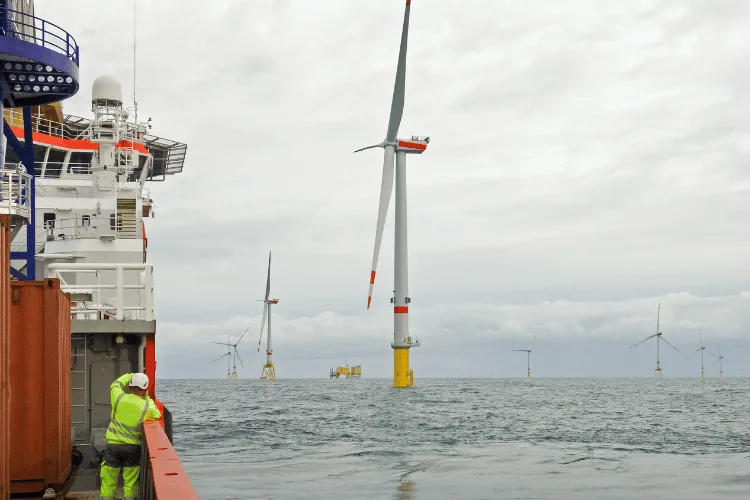
In offshore energy projects, vessels are often taken as a given. If they’re classed, certified and available, it’s easy to assume they’ll do the job. In practice, that assumption is where problems often start.
Vessel assurance isn’t about ticking boxes or proving compliance for the sake of it. It is about understanding whether a vessel is genuinely suitable for the work it’s about to undertake, and whether it can do that work safely, reliably and without creating unnecessary risk for the wider project.
Fit for purpose means exactly that
One of the most common questions I’m asked is, “Is this vessel acceptable?”
A better question is, “Is this vessel fit for what we need it to do, in these conditions, on this project, with this equipment and crew?”
A vessel can meet all the standard requirements and still struggle in practice if its systems, layout or operational limitations haven’t been properly considered. Vessel assurance should bridge that gap between what looks fine on paper and how the vessel will actually perform offshore.
Where assurance really adds value
The real value of vessel assurance comes when it’s brought in early enough to influence decisions. That might be during vessel selection, ahead of charter, or in the run-up to mobilisation when there’s still time to address issues sensibly. Identifying risks at that stage is far more effective than trying to manage them once the vessel is already on site and the clock is ticking. In my experience, early, focused assurance often prevents delays, avoids last-minute changes and gives project teams greater confidence in their decisions.
Independence and clarity
Independence matters in vessel assurance. Clients need a clear, honest view of risk, not reassurance for reassurance’s sake. An independent Inspector can say when something isn’t quite right, explain why it matters, and suggest practical steps to reduce the risk. That doesn’t mean being overly critical or unrealistic; it means being clear about what could impact safety, operations or schedule if it’s left unaddressed.
Practical outcomes, not paperwork
Good vessel assurance isn’t about producing long reports that sit on a shared drive and never get opened again. It’s about clear findings, sensible recommendations that project teams can act on. The aim is to support mobilisation and operations, not slow them down with unnecessary complexity.
A simple principle
At its heart, vessel assurance is about reducing uncertainty. Offshore projects are complex enough without avoidable vessel-related issues adding pressure. Taking the time to properly assess suitability, understand limitations and address risks early on helps projects start on a much firmer footing. When vessel assurance is carried out well, it’s largely invisible, because problems don’t materialise. And that, ultimately, is the goal.