Crane & Heavy Lift Operations – Managing Risk And Downtime
In maritime, port and offshore operations, cranes and heavy lift equipment sit at the very heart of productivity. When they operate efficiently, activity flows seamlessly. When they fail, the consequences can be immediate and far-reaching. Drawing on operational experience, this practitioner insight explores why proactive engineering, inspection and rapid technical response are critical to reducing downtime, risk and commercial exposure.
The True Cost of Crane Downtime
Cranes and heavy lift equipment play a central role in marine, port and offshore operations. They are rarely standalone assets and are typically integrated into wider cargo handling, vessel turnaround or offshore construction systems. As a result, crane downtime can quickly escalate beyond the immediate equipment failure.
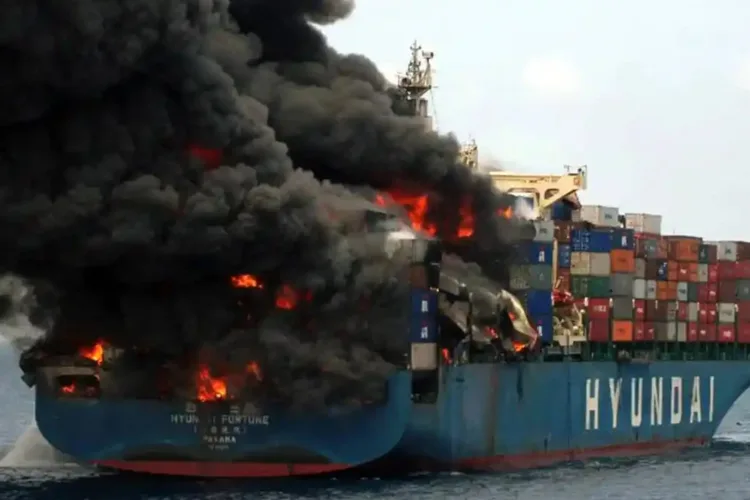
A single crane incident can halt loading or discharge operations, delay vessel departures, disrupt terminal schedules or postpone critical offshore activities. The true cost of downtime is therefore rarely limited to repair alone. It often includes business interruption and loss of revenue, knock-on delays across wider operations, increased safety exposure during temporary or improvised working arrangements, and longer-term contractual disputes or insurance claims. For owners, operators, ports and insurers alike, ensuring crane reliability is a key element of operational resilience.
When Failure Occurs: Rapid Technical Response
When crane damage or mechanical failure does occur, time is critical. Rapid access to independent technical expertise can be decisive in limiting disruption and preventing further escalation.
Waves Group’s crane specialists can mobilise globally at short notice to attend incidents, conduct detailed on-site inspections and provide clear, practical advice on immediate risk mitigation. Where physical attendance is not possible, remote assessments and technical reviews can be undertaken to support early decision-making.
Each incident is approached with a forensic mindset. Investigations typically examine equipment condition, historical maintenance records, inspection regimes, crane operating parameters, load paths and dynamic forces, control systems and electrical components. Human factors are also assessed, including operator inputs, actions and procedures at the time of the incident.
This integrated approach enables potential causation theories to be identified quickly and efficiently, supporting proportionate, effective and safe recovery and repair strategies. In many cases, this clarity has helped operators avoid unnecessary repairs and reduce overall downtime.
Beyond Incidents: Preventative Engineering and Assurance
Effective crane management does not start at the point of failure. Proactive inspection, maintenance and engineering assurance are fundamental to ensuring continuous operational capability and reducing the likelihood of unplanned downtime. Waves Group’s crane specialists support owners, operators and insurers with nonincident consultancy focused on asset reliability and lifecycle management. This includes condition surveys and pre-emptive inspections, maintenance and overhaul reviews, assessments of ageing or heavily utilised equipment, and evaluation of operational changes or equipment modifications. Independent technical advice aligned with LOLER and recognised industry best practice forms a key part of this work. By identifying early indicators of wear, fatigue or misalignment, potential issues can be addressed before they develop into failures or claims.
Investigating Complex Crane Failures
Modern crane investigations increasingly rely on more than visual inspection alone. Complex failures often require detailed analysis of load paths, stresses and dynamic behaviour within crane systems.
Waves Group’s crane specialists are experienced in analysing these factors to understand how and why failures occur. This investigative and analytical capability supports objective claims assessment, provides defensible technical evidence and can lead to longer-term operational improvements. Such insight is particularly valuable where incidents involve high-value assets, extended downtime or disputed liability.
Specialist Equipment, Real-World Experience
No two crane operating environments or failures are ever the same. Waves Group’s experience spans a wide range of cargo handling and lifting equipment, including but not limited to:
- Ship-to-shore cranes within terminals and ports
- Ship’s gear cranes
- Luffing, hydraulic and knuckle boom cranes
- Floating and lattice boom cranes
- Winches, wire ropes and variable frequency drives
- Discharge systems, conveyors and bucket wheel unloaders
- Grabs, remote-operated grabs and specialist lifting gear
- Gangway systems, davits, ramps and vehicle decks
- Emergency and rescue equipment supported by crane operations
This breadth of experience enables practical, operational insight across bulk carriers, container vessels, dredgers, ferries, offshore support vessels and port infrastructure. Independent Expertise, Global Reach.
Waves Group’s crane specialists operate across the UK, Americas, EMEA and APAC regions, providing consistent and independent technical expertise wherever incidents or inspections are required.
Whether responding to a major crane failure, supporting routine inspections or advising on complex operational challenges, the role remains the same: to provide clear, practical engineering advice that keeps operations moving safely and efficiently.